
Limewash Painting in Philadelphia, PA
Hand-applied limewash on brick, plaster, and drywall. Soft texture, cloudy depth, and a finish that ages instead of peeling.
Where do you want limewash?
Step 1 of 3Free estimate. No obligation. Prefer to talk? Call now
Our Approach to Limewash Painting
Limewash gives brick, plaster, and drywall a soft, chalky, mottled finish that flat paint can't fake. It's slaked lime and mineral pigment, the same material that's been on European farmhouses and Philadelphia rowhomes for centuries, and it soaks into masonry instead of sitting on top of it.
That soaking-in is the whole reason it works on old brick. A limewash finish becomes part of the wall through a chemical bond with the lime and stone, so it doesn't peel the way a paint film does. It also stays breathable, which matters more than people realize in a city full of solid-masonry rowhomes with no vapor barrier. The wall can release the moisture it pulls in off a humid summer instead of trapping it behind a sealed coat, and that's the difference between a facade that ages gracefully and one that spalls.
We apply it by hand in thin layers, building color and movement as we go. Each pass gets worked with a block brush while it's still open, which is where the cloudy variation comes from. It's slow, and it rewards a painter who knows how the material moves. Rush it or spray it flat and you lose the patina that makes it worth doing. No two walls come out identical, and that's the point.
The finish it produces has genuine depth, a matte, cloudy softness that shifts a little as the light moves across it through the day. Old rowhome brick takes it beautifully, and so does an interior fireplace or chimney breast where you want texture without going glossy. On plaster it reads like old-world stucco. If limewash is on your radar, our write-up on the limewash trend in Philadelphia homes walks through where it fits and where it doesn't.
It works best on interior feature walls, fireplaces and chimney breasts, brick facades, and exterior masonry that needs to breathe. What it isn't is a workhorse finish for high-traffic drywall. On a hallway wall that gets bumped and scrubbed, or a kid's room that needs wiping down weekly, standard paint holds up better and we'll steer you there. If you want a dead-flat uniform wall, limewash is the wrong product and we'll say so at the estimate. It pairs naturally with our interior painting on the rooms around it, and with exterior painting when the same brick continues outside.
Why Limewash Painting in Philadelphia Is Different
Philadelphia is a limewash town whether it knows it or not. The housing stock is largely old solid-brick rowhomes, exactly the porous masonry the finish was made for, and the historic-district palette leans toward the soft, weathered tones limewash does naturally. We get a lot of these calls on the original brick fronts and interior fireplaces around Fairmount and Old City, where owners want the character of the material to show through instead of a flat coat that hides it. In a Rittenhouse Square brownstone it's usually an interior accent, a chimney breast or a plaster feature wall. Whatever the surface, we test how it drinks the wash before we commit to a tone, because the same pigment reads differently on 1890s brick than it does on new plaster. It's all part of our residential painting work across the city.
What's Included With Our Limewash Painting Service
Hand-applied in layers for depth no roller can copy
Works on brick, plaster, drywall, and stone
Breathable, so masonry releases moisture instead of trapping it
Depth, tone, and texture mixed per project
Ages by softening, not peeling
Natural mineral finish
Our Limewash Painting Process
- 1
Consultation
We review your space, talk through the look you want, and pick the tone and finish level.
- 2
Surface Prep
Cleaning, patching, and priming where needed so the limewash grabs evenly.
- 3
Base Coat
First coat applied and allowed to dry to establish the depth of color.
- 4
Layering
Additional passes worked by hand to build texture and variation.
- 5
Sealing
Optional sealer for high-traffic or moisture-prone areas.
Our Limewash Painting Work
Ready for a Free Estimate?
Call us or fill out our quick form and we'll get back to you within 24 hours.
Limewash Painting FAQs
What surfaces can limewash be applied to?
Brick, plaster, drywall, concrete, and stone. Some surfaces need a specific primer first, and we handle that as part of prep.
Can limewash be removed or painted over?
Yes. Limewash can be painted over with standard paint after proper priming, or refreshed with additional layers to change the look.
Is limewash good for exterior brick?
Yes, it's one of the better finishes for exterior brick in a humid climate like Philadelphia's. It lets moisture escape instead of trapping it behind a film.
Related Painting Services in Philadelphia
Interior Painting
Refresh your home's interior with careful prep, clean lines, and a finish that lasts.
Exterior Painting
Protect your property's exterior with weather-resistant coatings and prep work that holds up to Philadelphia winters.
Cabinet Painting
A factory-smooth finish on your existing kitchen cabinets, without the demolition or the chaos of replacement.
Limewash Painting Across Philadelphia Neighborhoods
We offer limewash painting throughout Philadelphia. Find your neighborhood below.
Residential
From Our Painting Blog
Tips and guides from the Color House Painters crew.

Color House Painters
Color Tips
The Limewash Painting Trend: Is It Right for Your Philadelphia Home?
Limewash is having a major moment in Philadelphia home design. Here's what it is, how it ages, and whether it makes sense for your home.
Color House Painters
Color Tips
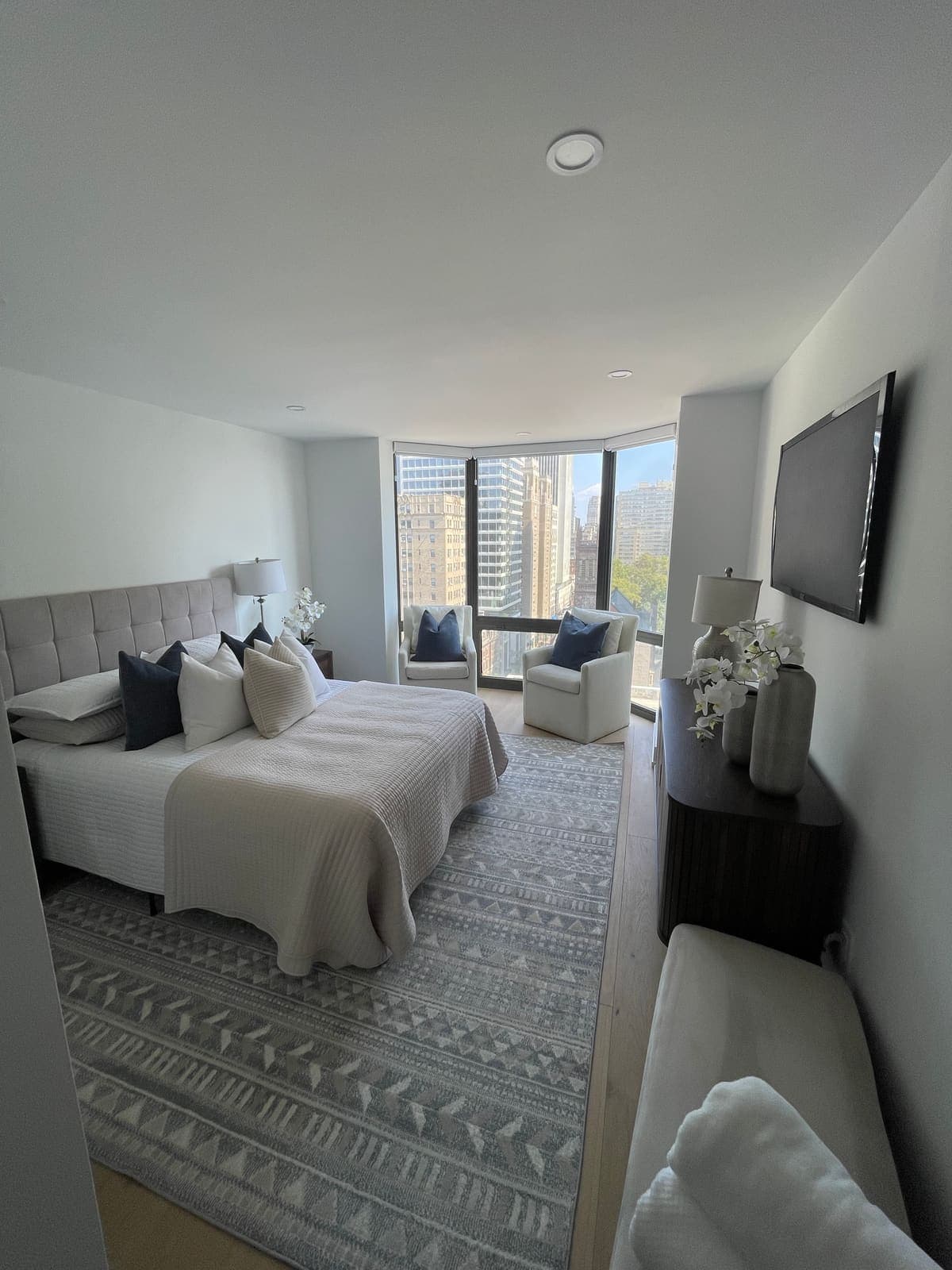
How to Choose Paint Colors for Your Philadelphia Home
Picking the perfect paint color can feel overwhelming. Here's how to narrow it down using light, architecture, and your existing furnishings.
Color House Painters
Education
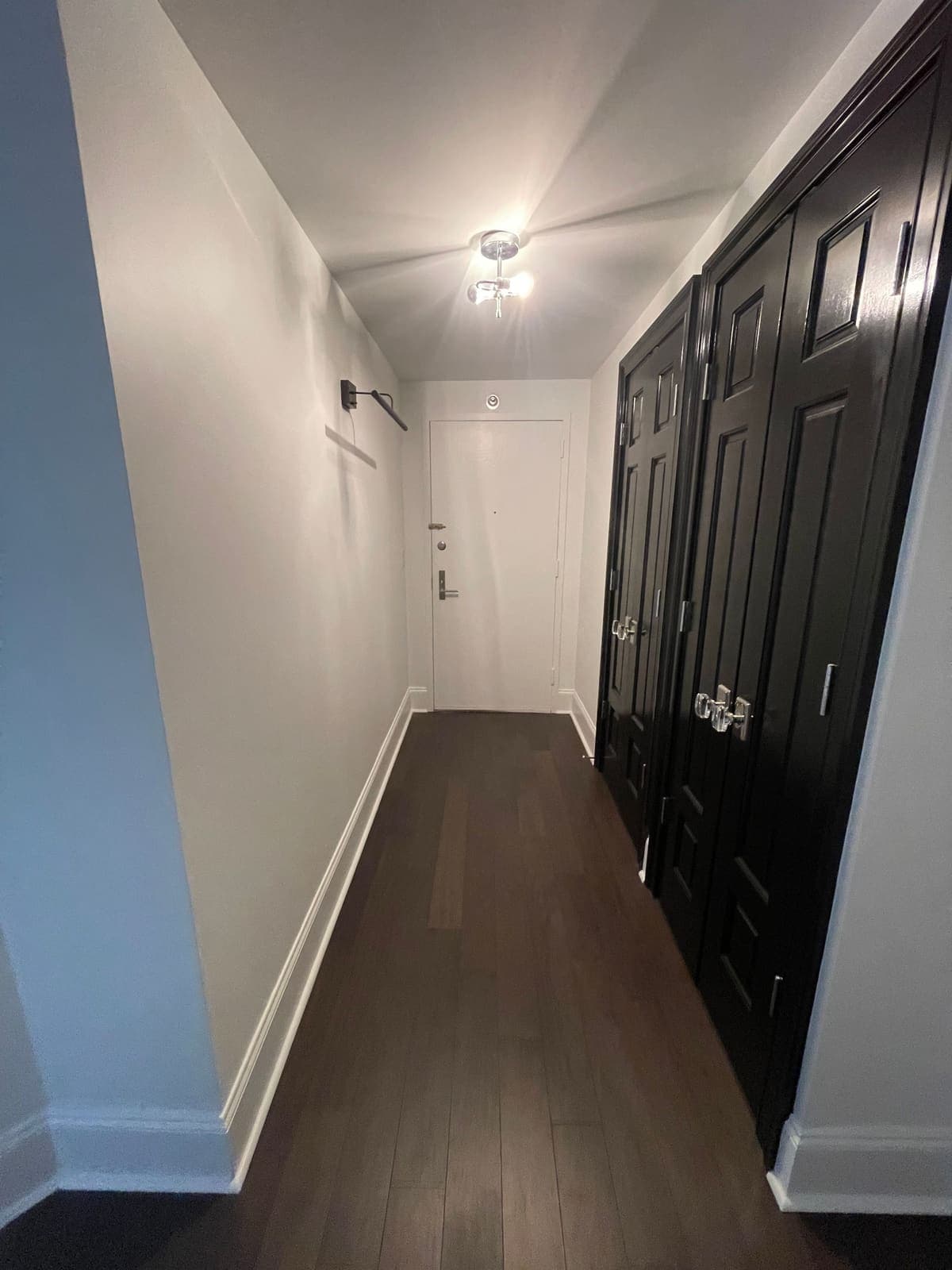
Interior vs. Exterior Paint in Philadelphia
Using the wrong paint on the wrong surface is one of the most common painting mistakes Philadelphia homeowners make, and one of the most expensive to undo. Here's what to know before starting a project.